Mark Jeremias

by Glenn Sakamoto · 1 comment

Mark Jere­mias is a Cal­i­for­nia surfer/filmmaker who pro­duced and directed One Cal­i­for­nia Day. Mark is also the cre­ator of Drive, a tele­vised series on skate­board­ing, and is respon­si­ble for remas­ter­ing the clas­sic films Style­mas­ters and Style­mas­ters 2. He is cur­rently work­ing to bring The Tyler War­ren Exper­i­ments to an eager audi­ence. We spoke with Mark to learn more.

What was it like grow­ing up as a child?
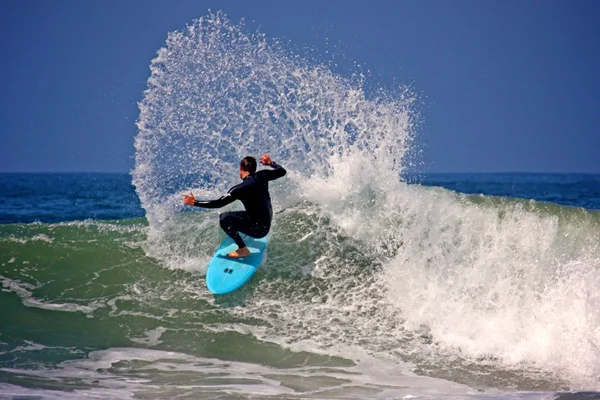
I was born in Ger­many, and moved to Corona del Mar, CA when I was 8 years old. Grow­ing up in a beach town it was only a mat­ter of time before I dis­cov­ered the ocean and shortly there­after surf­ing. This was in the late 70’s, and Corona del Mar was a great place to be at that time. There was still a lot of open space and small town feel to the area. In the sum­mer we would get dropped off at the beach and stay there all day – surf­ing, body board­ing, and body surf­ing – it meant every­thing to us.

What was the feel­ing you had when you first stood up on a surf­board?
I can still vividly remem­ber the first time that I actu­ally rode a wave, not white wash, but actu­ally cut­ting across a wave. It was in the after­noon at Big Corona State Beach and I was rid­ing my friends brown Rus­sell sin­gle fin. The fact that I so vividly remem­ber it, says some­thing about how pow­er­ful that moment was. It has largely shaped who I am today.

Who did you look up to and admire when you were a young man?
I think like many peo­ple, first it would be my father. As a kid he pro­vide every­thing for us, and every Sun­day he would take a group of my friends and me down to San Onofre to surf. We had this tricked out Van Con­ver­sion (It was 1980 after all) and he would sit in the back and work, while we surfed. That def­i­nitely left a last­ing impres­sion, espe­cially now that I have kids, I real­ize the impor­tance of being sup­port­ive of their inter­ests. For­tu­nately, my boys love San Onofre, so 30 years later, my fam­ily is still going down there.

Of all the inter­est­ing places you have trav­eled to, what place in par­tic­u­lar stands out? And why?
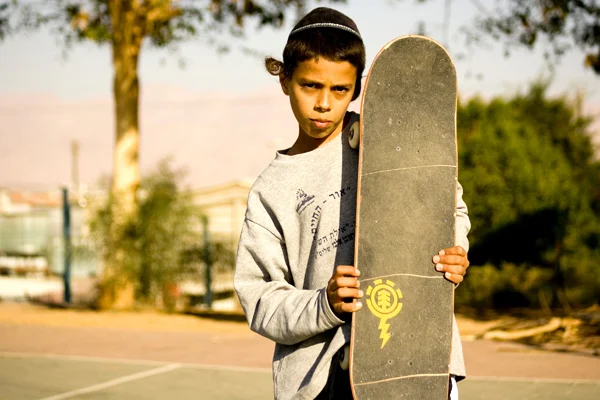
I have been able to do a fair share of trav­el­ing through the years, but if I had to pick just one expe­ri­ence that really stands out, it would be my trip to Israel for my doc­u­men­tary TV series DRIVE. For one, it is just an amaz­ing expe­ri­ence to walk the streets of Old Town Jerusalem and be amongst all of that his­tory. When you real­ize just how impor­tant this land is for 3 of the world’s major reli­gions, you really feel that you are walk­ing on sacred ground.

What is your process for cre­at­ing your films?
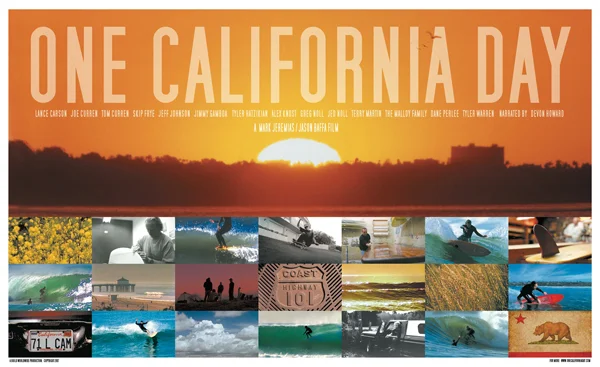
With any project, the process always starts with an idea and then flush­ing out that idea to the point where it can trans­late into a clear con­cise story with a begin­ning, mid­dle, and end. It takes so much work to make an inde­pen­dent film (in the case of One Cal­i­for­nia Day, it took Jason Baffa and me 4 years to com­plete), so the goal going in is always to make some­thing that can stand the test of time so that it can become a ref­er­ence piece for gen­er­a­tions to come.

Dur­ing pro­duc­tion it’s impor­tant to stay true to the ini­tial idea, but also allow room for the unex­pected to help shape your story. A great exam­ple of this in One Cal­i­for­nia Day is the scene of the Velzy Memo­r­ial. Obvi­ously there was no way that we could have pre­dicted that Dale Velzy would pass away while we were shoot­ing, but that event became a piv­otal and pow­er­ful moment in the film and in many ways helped shape (no pun intended) the sto­ry­line. It’s hard to imag­ine the film with­out it.

Lastly, in post-production you need to be will­ing to edit those things that don’t sup­port or move the story for­ward. There are so many times when you fall in love with a shot that you think will def­i­nitely make it into the film, but no mat­ter how good – if it doesn’t work you need to have the dis­ci­pline to edit.

What were some of the chal­lenges you encoun­tered while film­ing “One Cal­i­for­nia Day”?
The biggest chal­lenge we faced in shoot­ing One Cal­i­for­nia Day was sim­ply the logis­tics of cov­er­ing such a big state. In many ways we just scratched the sur­face in the film, and could have prob­a­bly gone off on a bunch of tan­gents, but again we had to stick with what sup­ported our con­cept. Sec­ondly, it is really hard to get all the ele­ments to come together to cap­ture those “quin­tes­sen­tial” Cal­i­for­nia surf ses­sions. There is a rea­son the film took four years to make, and one of the main ones was get­ting the swell, sun, tide, and wind to cooperate.

Tell us what we can expect from the upcom­ing “Tyler War­ren Exper­i­ments”?
Well, I have part­nered up with John Smart to make the Tyler War­ren Exper­i­ments. John and Tyler had already been shoot­ing for the film the last cou­ple of years, and one day John showed me some of his footage and we got to talk­ing and came to the real­iza­tion that we should com­bine our ideas to make one film. Also, hav­ing worked with Tyler on One Cal­i­for­nia Day, it seemed like a real nat­ural fit. The theme is based on the spirit of exper­i­men­ta­tion that took place dur­ing the design rev­o­lu­tion of the late 60’s/early 70’s and how a lot of the design prin­ci­pals that were tossed aside along the way are now not only being revis­ited, but also refined, and advanced by a new gen­er­a­tion. The film will also fea­ture Dave Ras­tovich, Joel Tudor, Chris­t­ian Wach, and shapers Mal­colm Camp­bell, Manny Caro, Chris Chris­ten­son, Josh Hall among others.

What code or “Golden Rule” do you live by?
The one rule that I abide by is to do every­thing with integrity.

Who/what inspires you?
I am most inspired by other peo­ple – peo­ple that are break­ing the mold and doing some­thing pos­i­tive for no other rea­son than to inspire. I have been for­tu­nate to doc­u­ment and share the sto­ries of some pretty amaz­ing individuals.

What is the great­est thing you have learned in your life?
Well, I hope to still have a lot more years to learn, but to date I would say patience and that you have to be able to let go.

Do you have any regrets or wish you had done some­thing dif­fer­ently?
I think its only nat­ural to have ‘’sec­ond thoughts” and they can be con­struc­tive in the learn­ing process. That being said, they can also be destruc­tive if you get caught up in try­ing to redo the past. So, no regrets, I am pretty happy and for­tu­nate to be where I am right now.

What are you most proud of?
Being a hus­band and a father.

What mean­ing does surf­ing hold for you and how has it changed your life?
As I men­tioned ear­lier, the fact that I still remem­ber the first wave is a tes­ta­ment to the power of surf­ing, at least for me. Sure there have been times in my life where I wasn’t surf­ing quite as reg­u­larly as I would have liked, but it has always been a major part of who I am. In many ways I have built my life around it, and I am sure that surf­ing has fac­tored into many life/career deci­sions along the way.

What are you most grate­ful for?
Per­son­ally, it would again be my fam­ily. Career wise it would be that my work has inspired and empow­ered kids all over the world. Given the cur­rent media land­scape and the crap that is out there, I am thank­ful to have the plat­form to share my point of view.

Who are some of the peo­ple you feel are shap­ing the path for surf­ing today?
That’s really a loaded ques­tion because I think there is a huge dis­con­nect between what surf­ing is and how it is pre­sented and perceived.

I read a quote recently that said “The cor­po­ra­tion can man­u­fac­ture, but it can’t cre­ate”, which I think is largely true. The big surf com­pa­nies will always be the ones to push surf­ing into the main­stream and shape its image for the masses through mar­ket­ing, but no mat­ter how pure their inten­tion may be, at the end of the day they are in the man­u­fac­tur­ing busi­ness and need to look out for the bot­tom line. So for that rea­son I think the future of surf­ing (the act of rid­ing waves) will always be in the hands of the indi­vid­ual shaper, surfer, and/or designer will­ing to take the cur­rent tech­nique and apply an artis­tic spin to it – defin­ing and redefin­ing along the way — sim­ply for the love and the challenge.

What is your favorite board? Your favorite surf spot?
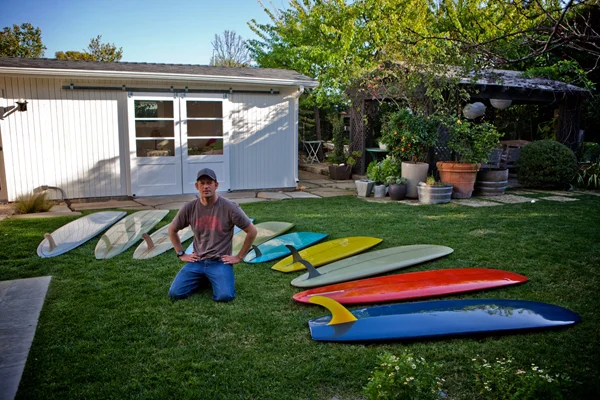
It’s really tough to say what my favorite board is, because I really believe in rid­ing every­thing. My quiver is fairly exten­sive and I rotate boards in and out quite often, but this sum­mer I seem to be cov­er­ing all the bases on my 6’0” Man­dala Round Pin Quad, 7’4” Chris­ten­son C-Bucket Quad, 9’6” Hobie One Fin Pin and 10’6” Skip Frye Eagle. As for my favorite spot I like to surf a bunch of dif­fer­ent waves from Santa Bar­bara, to 54th street in New­port, to Low­ers and a few other nooks and cran­nies in between.

What’s your favorite meal?
Being from Ger­many and all, I’ll say Weiner schnitzel!

What are you cur­rently lis­ten­ing to on your iPod?
My music super­vi­sor turns me on to a lot of dif­fer­ent music. Some of the sta­ples are indie bands like The Album leaf and Tris­teza to more main­stream stuff like Radio­head and Cold­play. For nos­tal­gia sake, I also enjoy all of the clas­sics from the late 60’s to early 70’s.

What causes/ projects/ orga­ni­za­tions do you sup­port?
The Cal­i­for­nia State Parks Foun­da­tion because it’s impor­tant to pro­tect our backyard.

What’s next for Mark Jere­mias?
Right now it’s focus­ing on get­ting the Tyler War­ren Exper­i­ments com­pleted in 2011. Beyond that, I am attached to direct a surf­ing based envi­ron­men­tal film called the “End of Summer”.

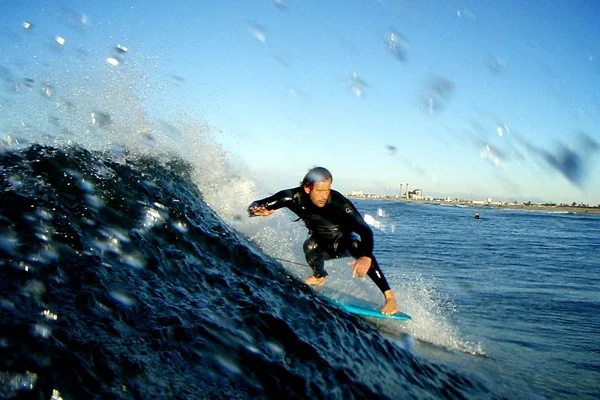
Learn more about the film Mark and his pro­duc­tion com­pany Build World­wide here. Top photo by Jason Hall.

Related Posts with Thumbnails

{ 1 comment… read it below or add one }

Jair September 9, 2010 at 7:28 am

great guy!

Reply

Leave a Comment

Previous post:

Next post: